


Waterfall
Formally introduced around 1970 by Winston W. Royce in his paper describing sequential software development processes.
$0M
$0M
Average enterprise delivery cycles measured from requirements to production.
0%
0%
Projects exceeded budget or timeline due to late-stage requirement changes.
0x
0x
The cost of fixing defects discovered after development compared to discovery.
0
0
Success depended on getting requirements right before work began.
"Waterfall brought structure to enterprise software delivery. Teams moved through requirements, design, development, testing, and deployment in sequence. While predictable on paper, feedback arrived too late, making adaptation expensive and often resulting in solutions that no longer matched business needs."
Waterfall brought structure to enterprise software delivery. Teams moved through requirements, design, development, testing, and deployment in sequence. While predictable on paper, feedback arrived too late, making adaptation expensive and often resulting in solutions that no longer matched business needs.



Waterfall brought structure to enterprise software delivery. Teams moved through requirements, design, development, testing, and deployment in sequence. While predictable on paper, feedback arrived too late, making adaptation expensive and often resulting in solutions that no longer matched business needs.
Waterfall brought structure to enterprise software delivery. Teams moved through requirements, design, development, testing, and deployment in sequence. While predictable on paper, feedback arrived too late, making adaptation expensive and often resulting in solutions that no longer matched business needs.

Waterfall brought structure to enterprise software delivery. Teams moved through requirements, design, development, testing, and deployment in sequence. While predictable on paper, feedback arrived too late, making adaptation expensive and often resulting in solutions that no longer matched business needs.
Waterfall brought structure to enterprise software delivery. Teams moved through requirements, design, development, testing, and deployment in sequence. While predictable on paper, feedback arrived too late, making adaptation expensive and often resulting in solutions that no longer matched business needs.
Waterfall brought structure to enterprise software delivery. Teams moved through requirements, design, development, testing, and deployment in sequence. While predictable on paper, feedback arrived too late, making adaptation expensive and often resulting in solutions that no longer matched business needs.
Waterfall brought structure to enterprise software delivery. Teams moved through requirements, design, development, testing, and deployment in sequence. While predictable on paper, feedback arrived too late, making adaptation expensive and often resulting in solutions that no longer matched business needs.
Waterfall brought structure to enterprise software delivery. Teams moved through requirements, design, development, testing, and deployment in sequence. While predictable on paper, feedback arrived too late, making adaptation expensive and often resulting in solutions that no longer matched business needs.
The final deployment resulted in a robust, future-proof platform that continues to scale across global markets seamlessly. Cigna remains a leader in the healthcare sector by embracing these sophisticated AI-driven solutions that prioritize human well-being above all else. By refining the intersection of technology and empathy, we have created a digital environment where medical professionals can thrive and patients receive the care they truly deserve.


Industry
Project
Timeline
1970
Platform
Web & Mobile
Live website
waterfall
CASE STUDIES
View more projects
We partner with industry leaders to deploy bespoke AI agents that solve complex operational hurdles and drive measurable growth.




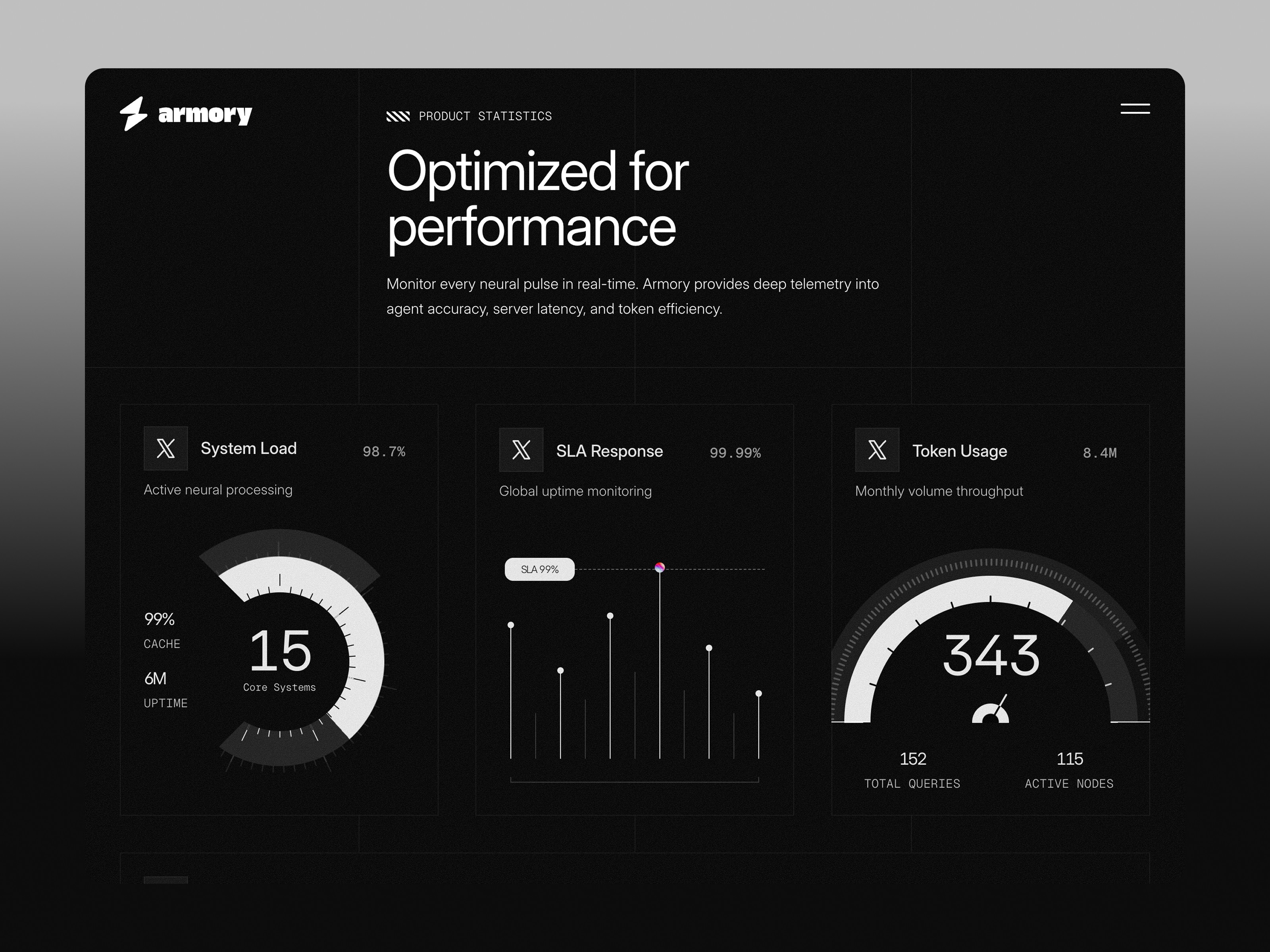
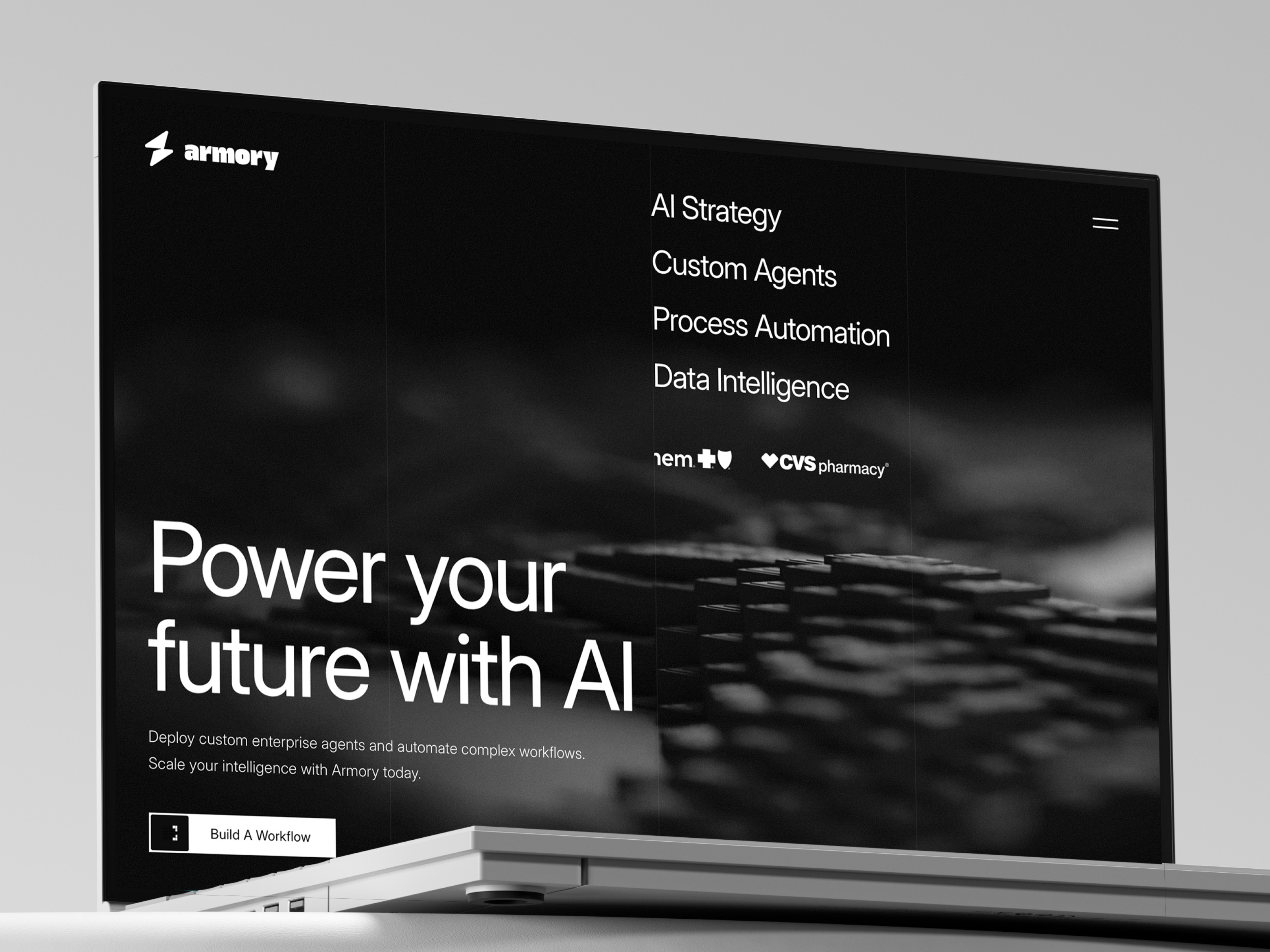
Buy Armory AI Template
from
$129